Morning From Now On
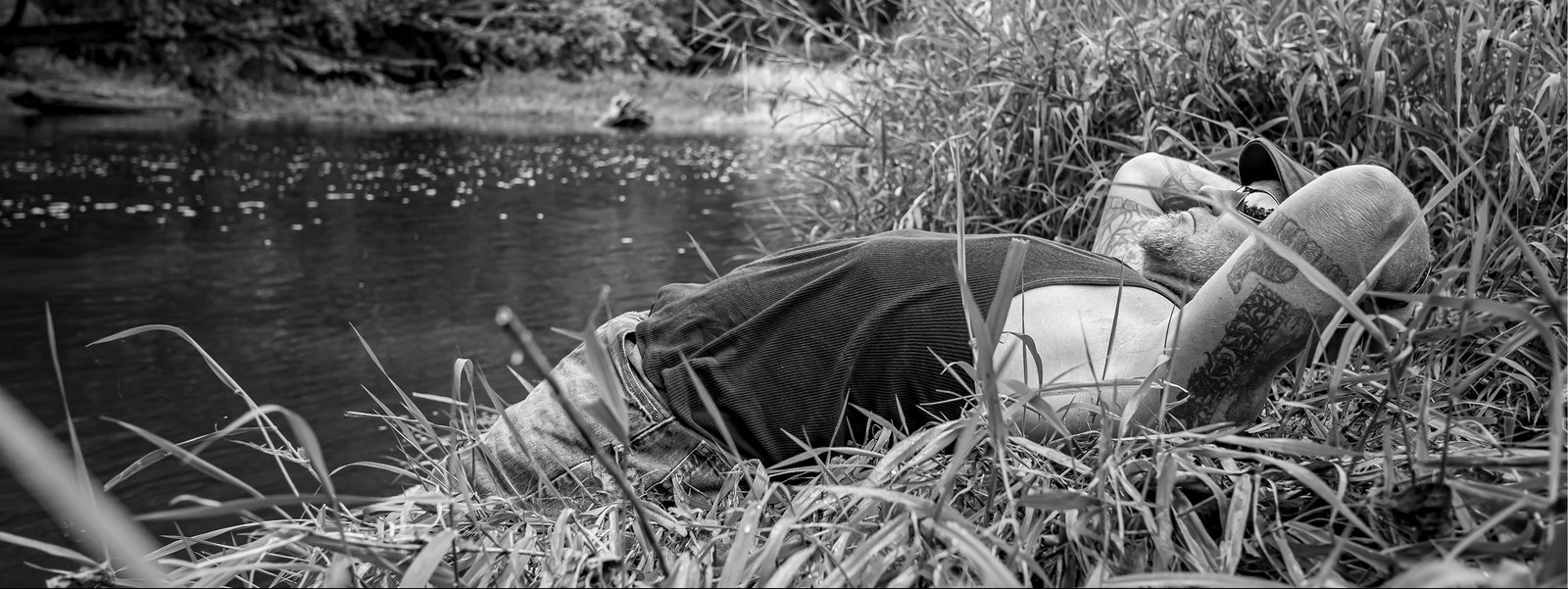
Kevin- returning to a place of childhood memories of joy –the river- after serving 25 years in a prison for a homicide committed by his mother when he was 16.
About the project
“Morning From Now On” is a project dedicated to children who, after spending decades in prisons, have grown, matured, and through their strength and commitment are rejoining and contributing to our communities. The project stands to serve as a reminder that all our children grow up, all young people are capable of change & no person is disposable.
The United States remains the only country in the world to punish children with a life sentence in adult prison without any possibility of parole; the state of Michigan leads the nation with the second highest number of children sentenced to mandatory life without parole in the US.
408 Michigan children, between the ages of 13 and 18, were sentenced to die in prison for crimes they committed before age 18. Over a dozen children died serving this sentence in Michigan prisons, before the United States Supreme Court ruled this sentence to be unconstitutionally cruel and unusual punishment in 2012. While not prohibiting the sentence entirely, the US Supreme Court required that all children must have the opportunity for resentencing with consideration of the characteristics of youth that lead to impulsive and ill considered actions, and recognize a child’s unique capacity for growth and rehabilitation. Only a very rare child that was determined to be ‘irreparably corrupt’ and incapable of rehabilitation could be subject to the harshest sentence in Michigan for any adult crime– life without possibility of parole.
Of the 368 children serving LWOP in Michigan in 2012, all but 19 have now been resentenced and as a result 209 have been released from Michigan prisons. 19 still await resentencing, and 137 are awaiting parole review or are in the appeal process, nearly a decade after the US Supreme Court ruled their sentences unconstitutional.
Despite the recognition that children are not as culpable as adults for their actions, Michigan continues to punish its children with life and de facto life sentences. The state of Michigan is also one of the leading states in imposing life without parole sentences for teenagers and emerging adults aged 18, 19 and 20 years old. In reviewing the punishment of young people without consideration of their age and attendant characteristics, the Michigan Supreme Court found that life without parole sentences for 18-year-olds to be unconstitutional in 2022. In the spring of 2025, the Michigan Supreme Court extended this ruling to hold LWOP sentences unconstitutional for 19 & 20-year-olds. Following these decisions, over 700 18-20 year olds incarcerated in Michigan’s prisons await resentencing.
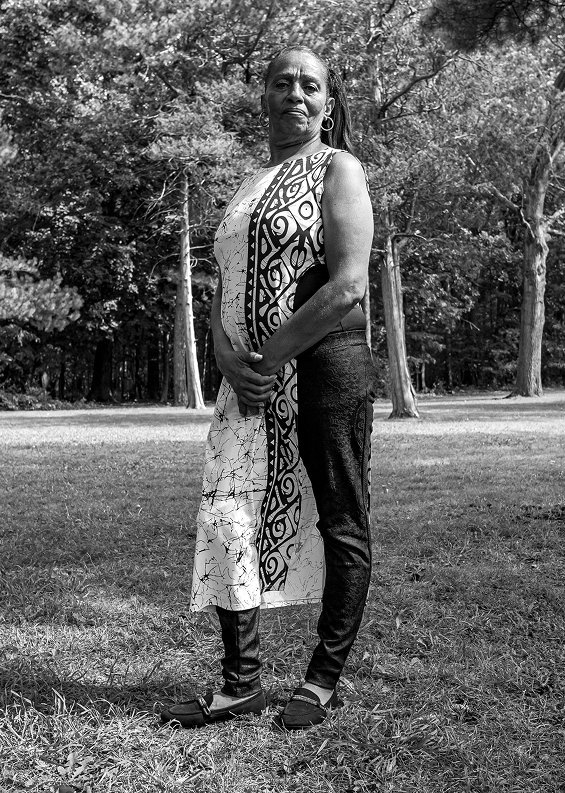
Michelle maintaining strength and dignity over nearly 35 years of incarceration in a prison ‘rampant’ with custodial abuse of women, now contributing to her community by assisting those with re-entry challenges.
Evolving Standards of Decency
While JLWOP sentences become more and more unusual nationally – 33 States no longer view LWOP as an acceptable sentence for children – Michigan has the highest number of children serving LWOP sentences in the country.
It’s a long history to unravel from – Michigan judges have sentenced nearly [400] youth to Juvenile Life Without Parole since the late 1970s and continue to impose the sentence despite overwhelming evidence of its cost to society and alternatives to lifetime incarceration. Dating back as far as 1919, Michigan has been a leader in the incarceration of youth in the adult prison system, including 17-year-olds in adult sentencing schemes from the origins of the state’s modern criminal legal system.
JLWOP in Michigan
The evolution toward recognizing the difference between children and adults has come about through rulings by Michigan’s courts.
In 2022, the Michigan Supreme Court in People v. Parks held “a mandatory LWOP sentence that does not allow for consideration of the mitigating factors of youth or the potential for rehabilitation is a grossly disproportionate punishment in violation of Const 1963, art 1, § 16” for juveniles who are 18. In 2025, the Michigan Supreme Court in People v. Taylor, recognized that cognitive development and proportional sentencing laws, required the extension of this analysis to include all youth under the age of 21.
Today, there are 182 people living in Michigan prisons who are serving LWOP sentences for crimes committed at 18; 307 for crimes committed at 19; and 259 for crimes committed at 20-years-old, for a total 748 youth now await the opportunity for resentencing and release upon parole.
18-20 year olds in Michigan prisons serving LWOP sentences for felony murder
formerly incarcerated children are still awaiting their first re-sentencing
teenagers between 14 & 17-years-old were sentenced to LWOP between 1985 & 2009.
– or nearly 80 percent – were youth of color. 67 were White youth.
Evolving standards of decency demand a change
we know these sentences
aren’t the answer & the community carries the cost.
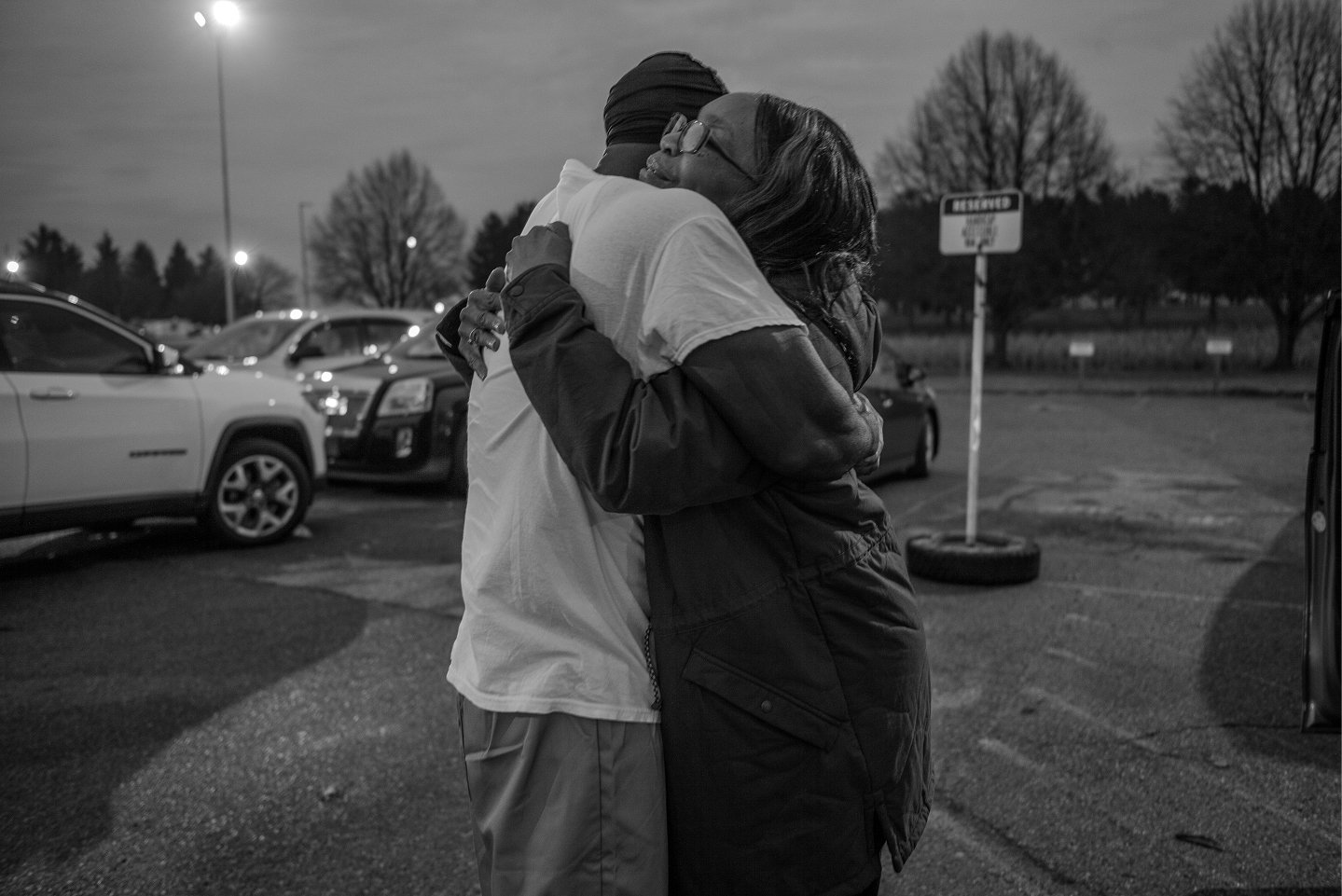
Keith , embracing his mother who waited 17 years for the day when he would be released from imprisonment, for a homicide committed by another when he was 15 years old.
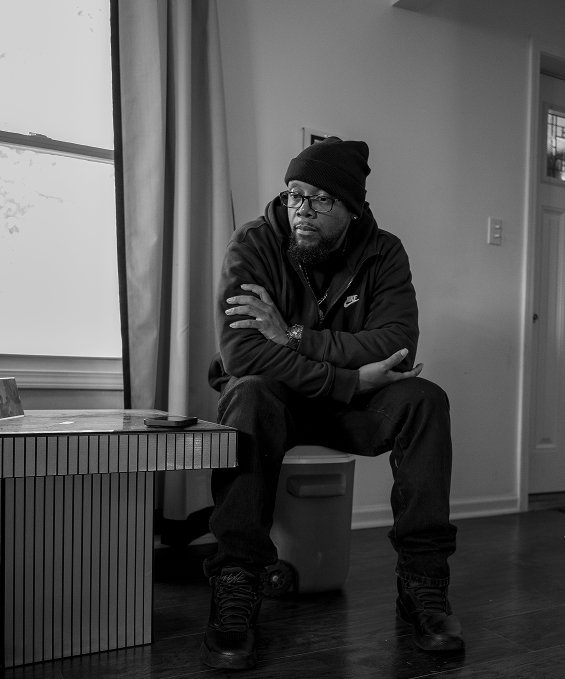
An entire congregation hoped for and prayed for the return of Yusef to their community, after being sentenced to life without possibility of parole for an incident that occurred when he was 15. He became a role model and mentor for other youths while in prison and continues his work after the hope and prayers were answered 26 years later.
Justice Delayed
In 2012, the US Supreme Court ruled in Miller v Alabama that mandatory life without parole sentences for juveniles are unconstitutional, violating the Eighth Amendment’s prohibition against cruel and unusual punishment. Despite that, a decade later Michigan still imprisons 22 people serving life without parole sentences for crimes they committed while under age 18. Three of those sentences have been imposed (or re-imposed) by Michigan judges since the Supreme Court’s 2012 ruling.
While JLWOP has become increasingly unusual nationally, Michigan remains an outlier in terms of both the sheer number of people serving JLWOP sentences and in its unequal application of the sentence based on race.
Racial disparities among Michigan’s juvenile lifer population are extreme and undeniable. Prior to 2012, youth of color made up 75.8 percent of people serving JLWOP sentences in Michigan. Today, 84.2 percent of people who have not been resentenced are youth of color; of those who have been resentenced to JLWOP, 69 percent are youth of color. 60 percent of new JLWOP sentences in Michigan in the past decade have been imposed on youth of color. In the last 10 years, only five JLWOP original sentences were imposed in Michigan, three to people of color.
Michigan’s failure to follow the majority of states in abolishing this sentence, ignores each juvenile’s unique capacity for positive change inherent in the natural processes of development and maturity. As long as JLWOP remains a sentencing option, it will perpetuate the crisis of arbitrary, disproportionate, and racially discriminatory outcomes.
The men and women photographed throughout the course of this project stand as testament to the facts, science and basic humanity– no child is irredeemable. Michigan must continue the work of eliminating the use of JLWOP and other extreme sentences for youth in order to move toward becoming a healthier, better resourced and more just state.
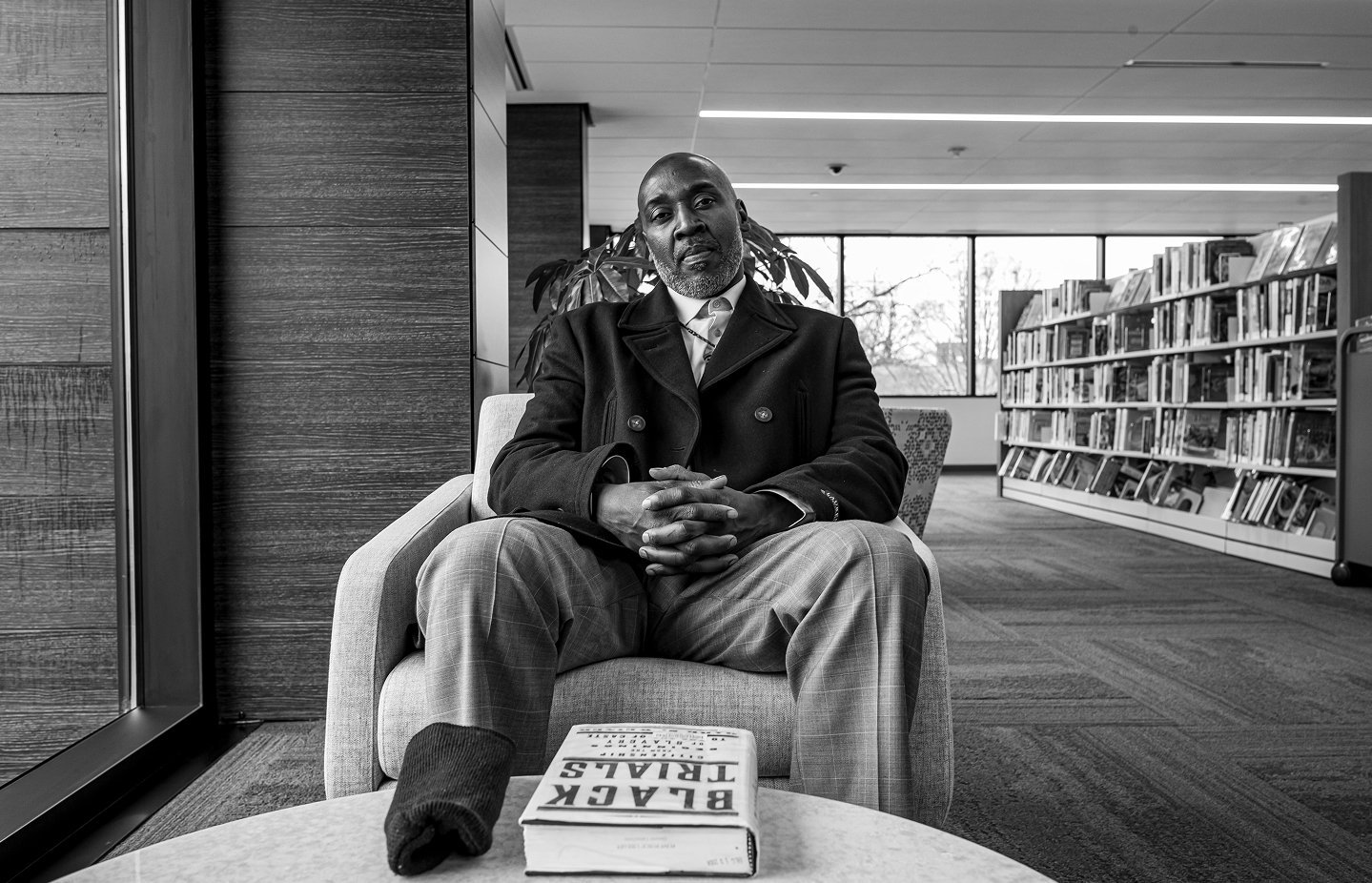
Senghor was 15 when he first became involved in the criminal legal system resulting in a life without possibility of parole sentence for a felony murder conviction. He experienced firsthand the impact of race and disparaties in punishments when his sentence was found to be unconstitutional, and he was released at his first opportunity for parole.
Of the 408 youth convicted to die in prison

214 children have returned home since Miller
127 are awaiting parole review
19 awaiting resentencing*
*does not include 17 re-re sentenced to LWOP but awaiting re – re sentencing or on appeal
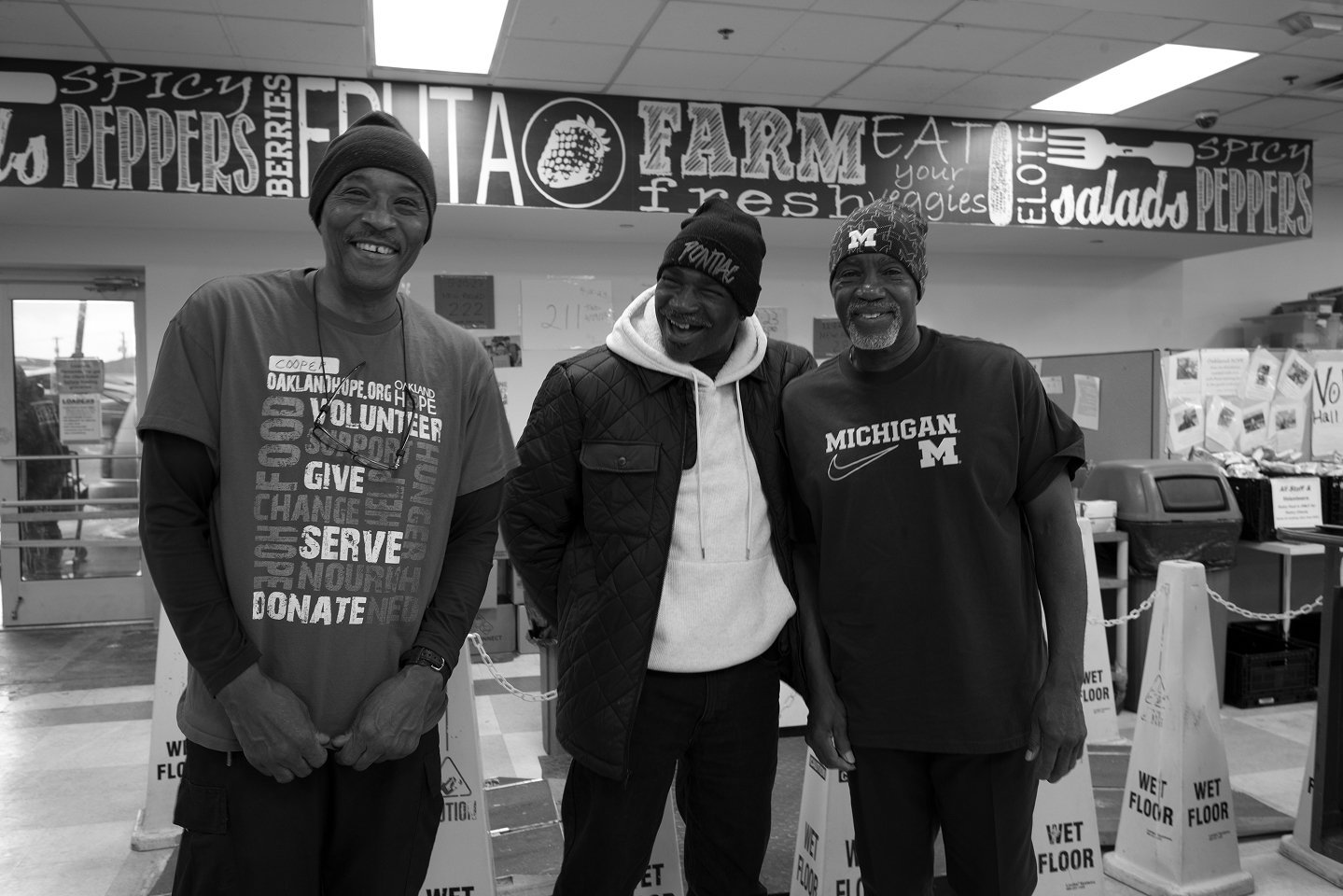
Roosevelt, Dwayne and Charles – Friends from teenagers until their 60’s. After a combined 136 years of imprisonment, the Courts ruled their sentence to be cruel and unusual punishment and they were released. They have continued their volunteer work helping others, and contributing to their communities upon release.
Life After LWOP
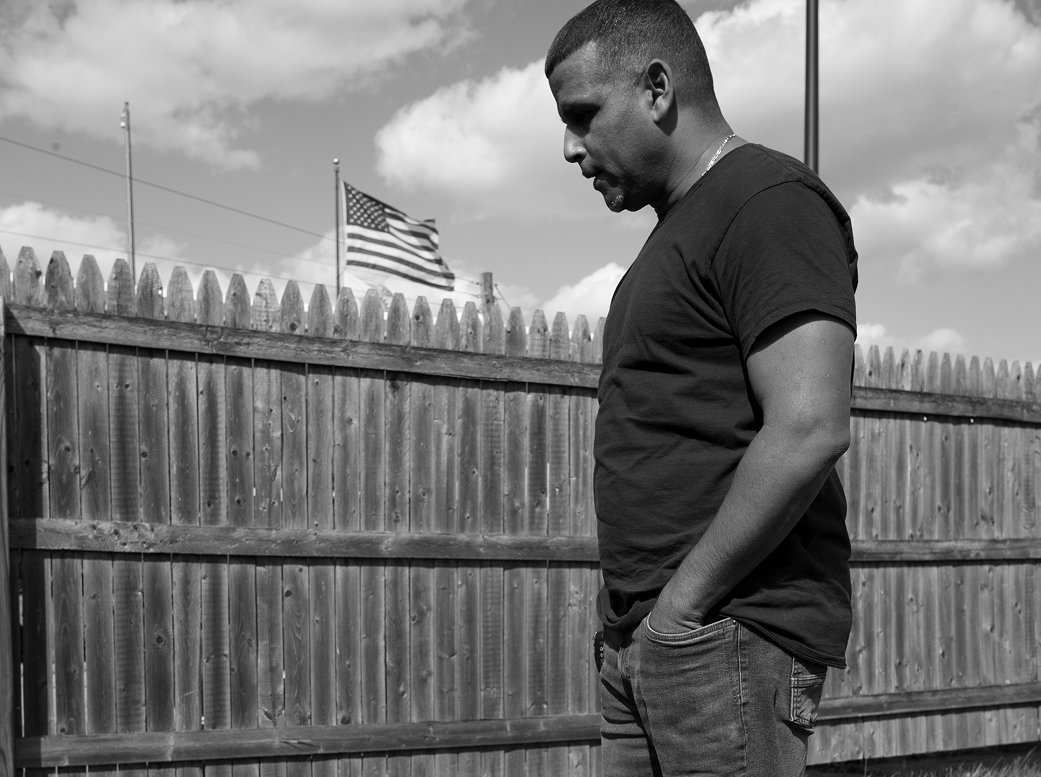
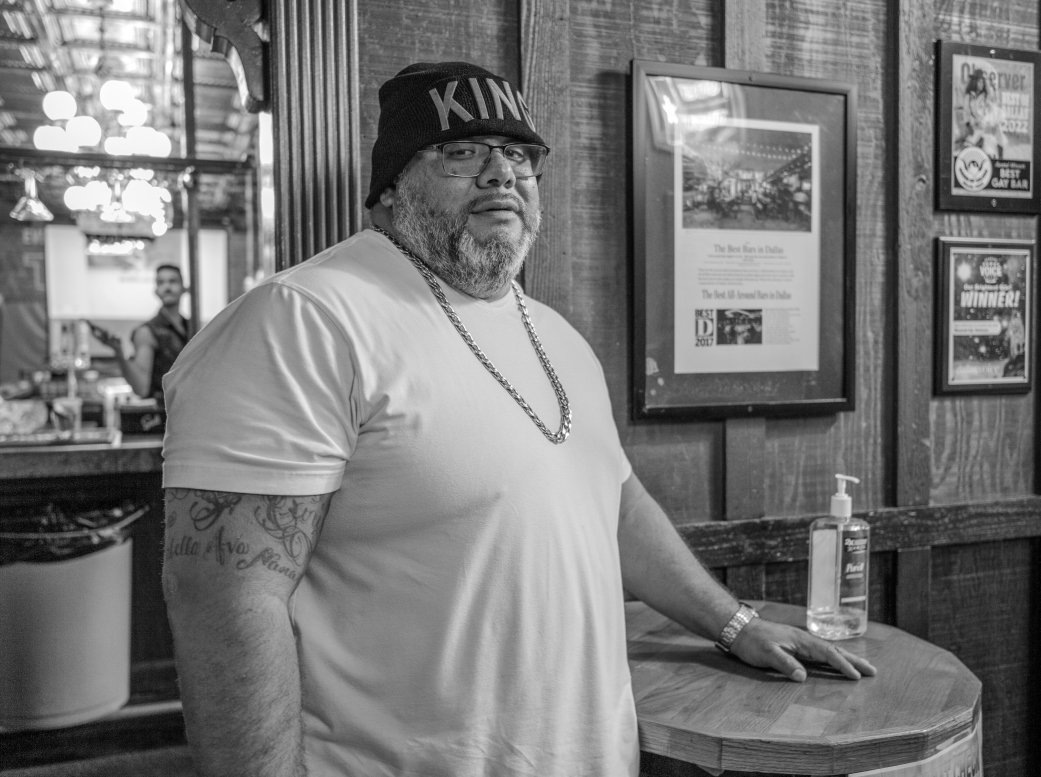
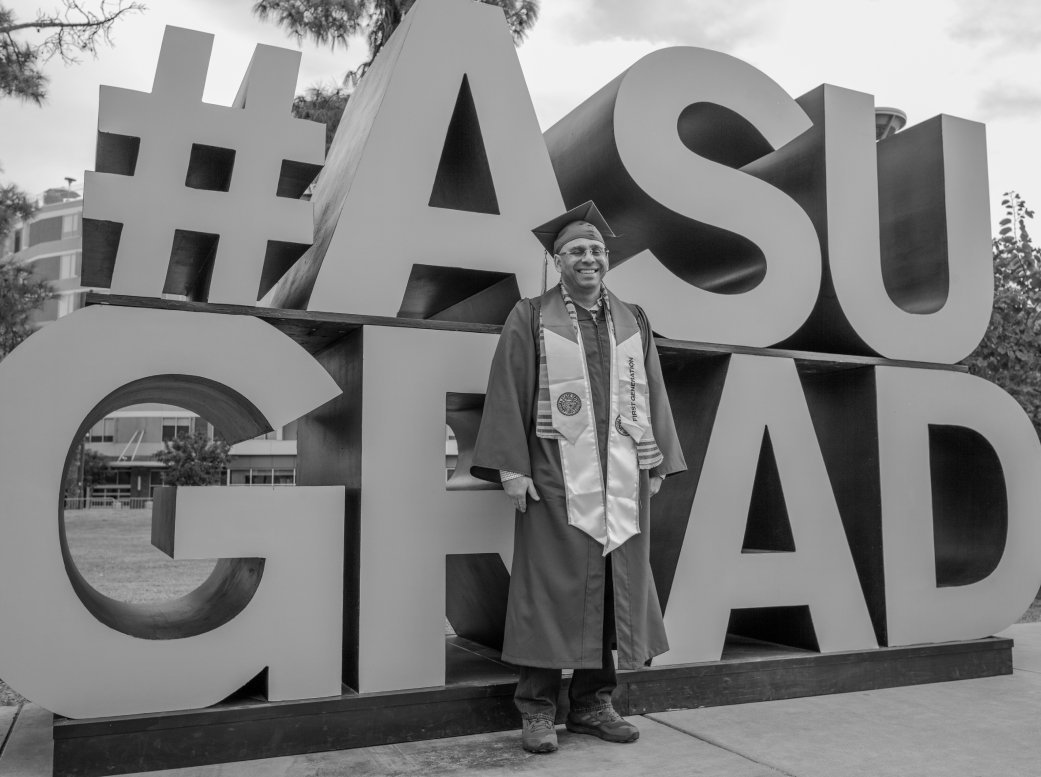
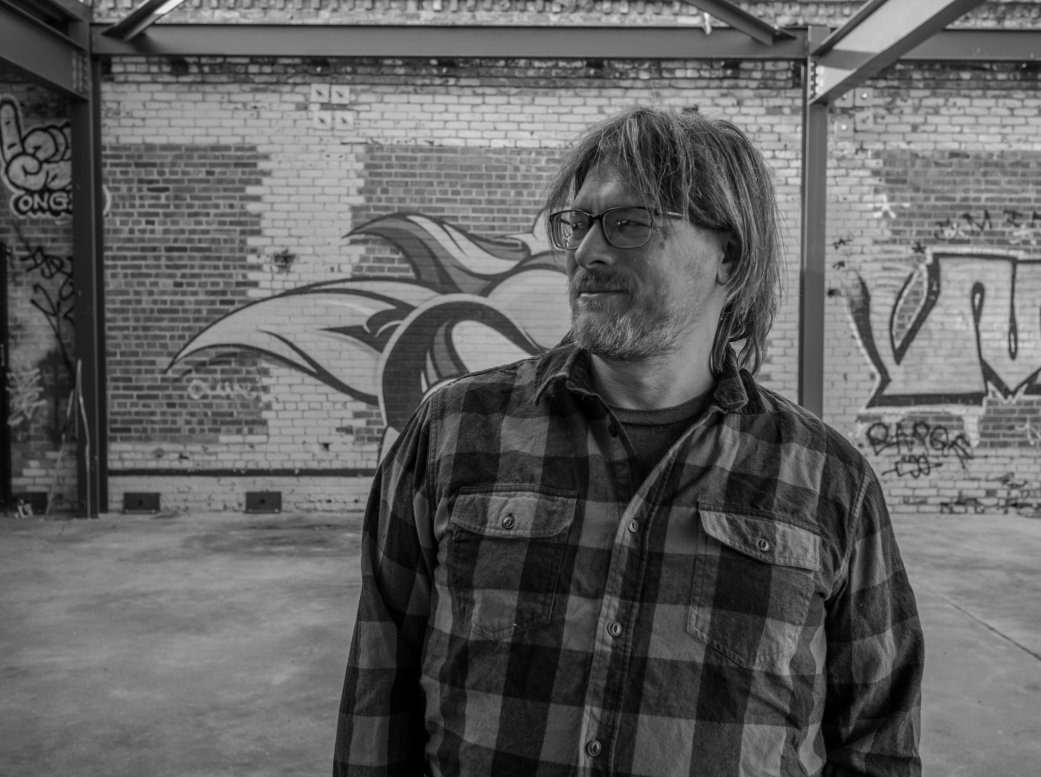
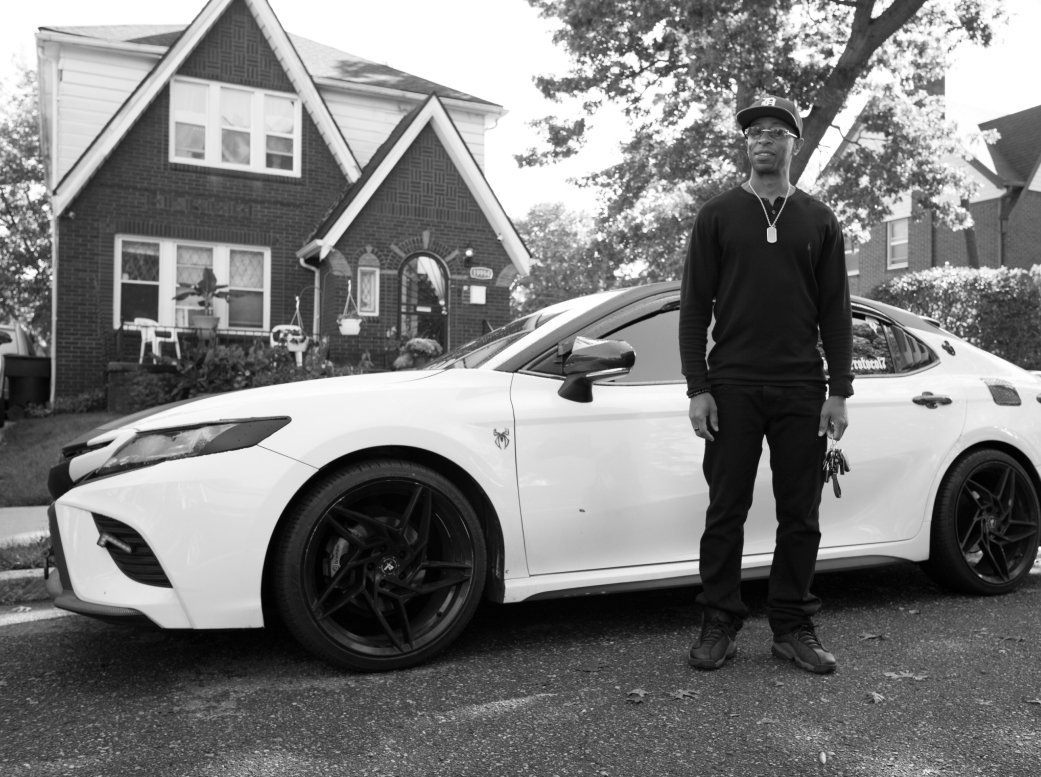
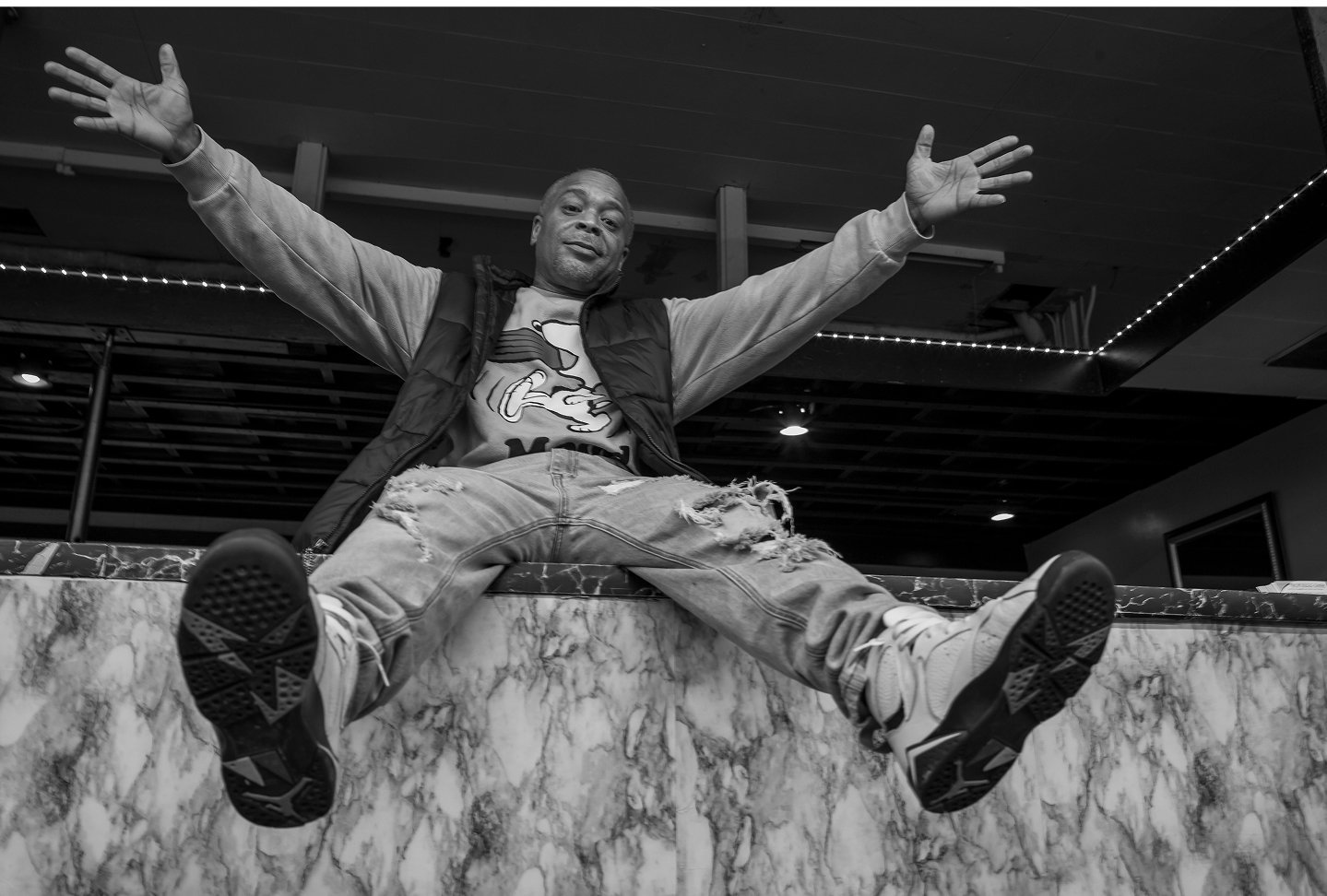
Cortez — Celebrating the joy of freedom after 25 years behind bars on a sentence that offered no hope of release until declared by the united states supreme court to be unconstitutionally cruel and unusual punishment.
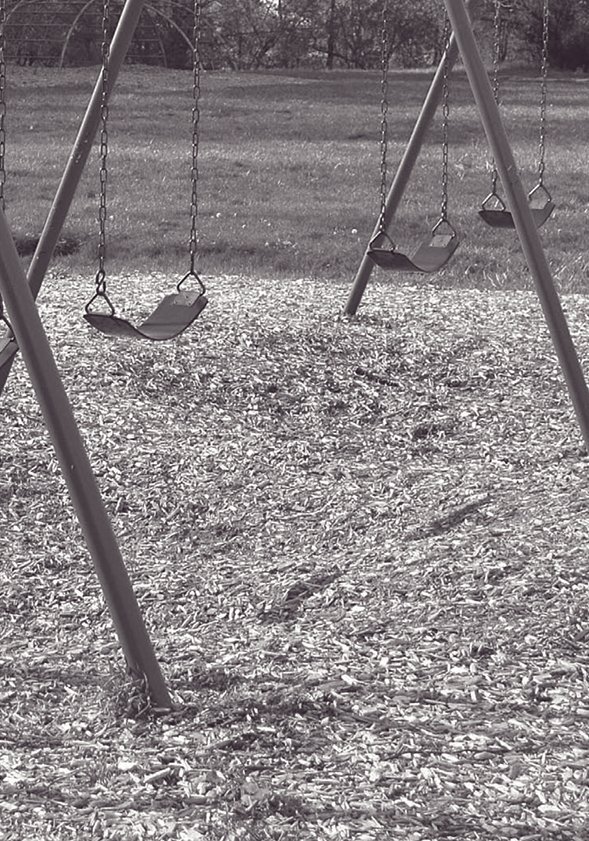
Artist Statement
In 2024 Jacob LaBelle began a portrait series to photograph youth, initially punished with mandatory life sentences in prison, after they were finally released when these sentences were recognized as unconstitutionally cruel and unusual punishment. He was motivated by the near universal use of threatening images of young people, particularly youth of color, used to foster a sense of fear of these children to justify the harshest of punishments.
The photographs use the language of visual art to counter the negative stereotypes that cloud our vision of youth who come in conflict with the law and obscure the reality that they have a unique capacity for growth, change and contribution to our communities. The photographs of these youth as they begin to rejoin their communities, after decades in prison, reframes the narrative, lifting up the dignity, strength and humanity and contributions of these individuals and welcomes them home.
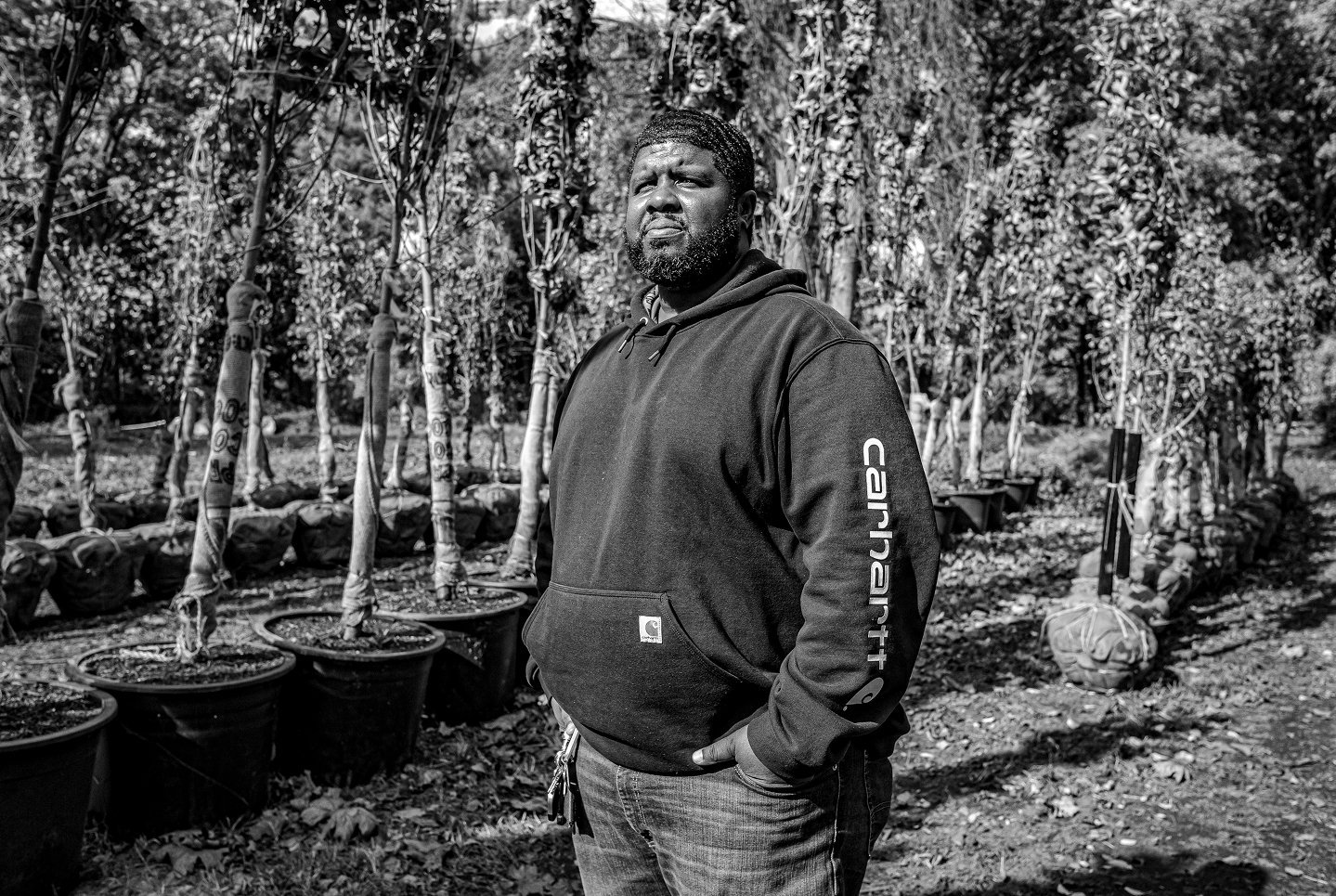
While spending nearly three decades in prison, William learned the skills that he is now using to give back to his community, supporting the environmental health, restoration and Greening of Detroit, together with helping hundreds of people find employment, all the while volunteering at halfway houses and starting his own landscaping business.
*numbers last updated Nov. 25 2025